
Planning your dream gorilla trekking adventure in Uganda? One of the most common questions travelers ask is: “What should I pack for a gorilla trek?”
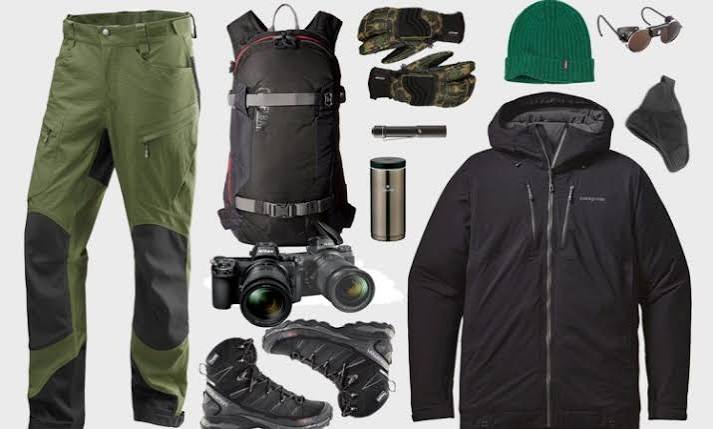
Packing the right gear can make the difference between an enjoyable, comfortable experience and a challenging one. Gorilla trekking takes you deep into tropical rainforest, where the terrain is steep, muddy, and often unpredictable. Being well-prepared means you’ll spend less time worrying about your equipment and more time enjoying the unforgettable experience of meeting endangered mountain gorillas in their natural habitat.
In this complete guide, we’ll walk you through everything you need to pack for gorilla trekking in Uganda, along with expert tips from experienced safari guides.
Why Packing Properly Matters
Gorilla trekking isn’t a typical walk through the forest. Depending on where the gorillas are located, your hike may last anywhere from 30 minutes to over 6 hours. You’ll encounter muddy trails, thick vegetation, insects, changing weather, and sometimes steep hills.
The right clothing and equipment will help you:
- Stay comfortable throughout the trek.
- Protect yourself from scratches and insect bites.
- Keep your camera and valuables safe.
- Handle sudden rain showers with ease.
- Enjoy every moment without unnecessary discomfort.
Essential Gorilla Trekking Packing Checklist
1. Sturdy Hiking Boots
A good pair of waterproof hiking boots is your most important piece of gear.
Choose boots that:
- Have strong ankle support.
- Offer excellent grip for muddy trails.
- Are already broken in before your trip.
- Are waterproof or water-resistant.
Avoid wearing brand-new boots on trekking day.
2. Long-Sleeved Shirts
The rainforest contains thorny plants, stinging nettles, and insects.
Lightweight, breathable long sleeves help protect your arms while keeping you cool.
Neutral colors such as green, brown, khaki, or grey work best because they blend into the environment and attract fewer insects.
3. Long Hiking Pants
Wear durable hiking trousers instead of shorts.
Benefits include:
- Protection from scratches.
- Protection against mosquitoes.
- Better comfort when walking through thick vegetation.
Quick-drying materials are ideal.
4. Waterproof Rain Jacket
Rain can fall at almost any time in Uganda’s rainforest—even during the dry season.
A lightweight waterproof jacket should always be in your backpack.
Choose one that’s:
- Lightweight
- Breathable
- Easy to pack
5. Gardening or Hiking Gloves
Many experienced trekkers bring lightweight gloves.
These help when:
- Holding onto branches.
- Climbing steep sections.
- Pushing through vegetation.
- Protecting hands from thorns.
6. Thick Hiking Socks
Comfortable socks reduce friction and help prevent blisters.
Merino wool or moisture-wicking hiking socks are excellent choices.
Many visitors also tuck their trousers into their socks to reduce insect exposure.
7. Small Day Backpack
Carry a comfortable backpack for your essentials.
Your backpack should include:
- Water
- Snacks
- Camera
- Rain jacket
- Sunscreen
- Personal medication
- Extra batteries
A waterproof backpack or rain cover is highly recommended.
8. Drinking Water
Hydration is extremely important.
Carry at least 2 litres of drinking water for your trek.
Even shorter hikes can be physically demanding.
9. Energy Snacks
High-energy snacks help maintain your energy during long hikes.
Good options include:
- Granola bars
- Trail mix
- Dried fruit
- Nuts
- Energy bars
Avoid leaving food waste inside the park.
10. Camera
Seeing mountain gorillas up close is a once-in-a-lifetime experience.
Bring:
- Camera with good zoom
- Extra memory cards
- Fully charged batteries
Flash photography is not allowed because it may disturb the gorillas.
11. Sunscreen
Although much of the trek is under forest canopy, you’ll spend time in open areas before and after the trek.
Use sunscreen with SPF 30 or higher.
12. Insect Repellent
Mosquitoes and other insects are common around rainforest environments.
Choose a quality insect repellent and apply it before beginning the hike.
13. Hat
A lightweight hat helps protect you from:
- Sun
- Light rain
Wide-brimmed hats are especially useful.
Most national parks provide walking sticks free of charge.
Don’t hesitate to use one—it makes climbing steep slopes much easier.
15. Personal Medication
Bring any medication you normally use.
Include:
- Pain relievers
- Allergy medicine
- Motion sickness tablets
- Bandages
- Prescription medication
Keep everything in waterproof bags.
Optional Items Worth Bringing
Some items aren’t essential but can significantly improve your experience.
These include:
- Binoculars
- Waterproof phone pouch
- Gaiters
- Lip balm
- Portable power bank
- Travel tissues
- Hand sanitizer
- Lightweight towel
- Notebook for journaling
What NOT to Pack
Avoid bringing unnecessary items that add weight.
Leave behind:
- Large suitcases
- Heavy electronics
- Jewelry
- Loud-colored clothing
- Umbrellas (they are difficult to use while hiking)
- Single-use plastic bags where prohibited
Gorilla Trekking Clothing Tips
The best outfit includes:
- Neutral-colored long-sleeved shirt
- Hiking trousers
- Waterproof hiking boots
- Hiking socks
- Waterproof jacket
- Gardening gloves
- Hat
Avoid bright red, yellow, or white clothing whenever possible.
Weather in Bwindi and Mgahinga
Uganda’s gorilla parks are located at high elevations, meaning temperatures are generally cool.
Typical daytime temperatures range between 15°C and 25°C (59°F–77°F).
Conditions can change quickly, so dressing in layers is the best approach.
Frequently Asked Questions
Can I wear shorts?
It’s not recommended. Long trousers provide much better protection from insects and vegetation.
Do I need waterproof boots?
Yes. Trails can become muddy even during the dry season.
Can I hire equipment locally?
Yes. Some lodges and local communities rent gaiters, walking sticks, rain jackets, and other gear. Porters are also available to carry your backpack for a small fee, providing valuable support while contributing directly to local livelihoods.
How much water should I bring?
At least 2 litres per person is recommended.
Is a porter worth hiring?
Absolutely. Hiring a porter makes the trek easier, especially on steep or muddy terrain, and supports local employment initiatives.
Final Thoughts
Packing properly ensures you stay comfortable, safe, and focused on the incredible experience awaiting you in Uganda’s rainforests. With the right clothing, sturdy footwear, and a few essential accessories, you’ll be ready to enjoy one of the world’s most extraordinary wildlife encounters.
Whether you’re trekking in Bwindi Impenetrable National Park or Mgahinga Gorilla National Park, preparation is the first step toward an unforgettable adventure.
Plan Your Gorilla Trek with Elephant 4×4 Safaris
At Elephant 4×4 Safaris, we specialize in tailor-made gorilla trekking experiences across Uganda. From securing your gorilla permits to arranging comfortable accommodation, transportation, and experienced local guides, we take care of every detail so you can focus on the adventure.
Ready to see mountain gorillas in the wild? Contact Elephant 4×4 Safaris today to book your unforgettable Uganda gorilla trekking safari.